18 Dangerous Theme Park Rides That Made People Ask, “Who Approved This?” Diana BallesterosTue, September 1, 2026 at 10:45 AM UTC 0 Some rides are designed to make you wonder whether you’re about to survive them. Usually, that’s part of the fun. But a few dangerous theme park rides crossed the uncomfortable line between controlled fear and genuine safety problems. From recordbreaking slides to experimental roller coasters, these attractions developed flaws serious enough to force closures, redesigns, or complete removal. How did some of them ever make it past the drawing board? 1.
18 Dangerous Theme Park Rides That Made People Ask, “Who Approved This?”

Diana BallesterosTue, September 1, 2026 at 10:45 AM UTC
0
Some rides are designed to make you wonder whether you’re about to survive them. Usually, that’s part of the fun. But a few dangerous theme park rides crossed the uncomfortable line between controlled fear and genuine safety problems. From record-breaking slides to experimental roller coasters, these attractions developed flaws serious enough to force closures, redesigns, or complete removal. How did some of them ever make it past the drawing board?
1. Verrückt Took “World’s Tallest” Way Too Literally
r/megalophobiavia Reddit
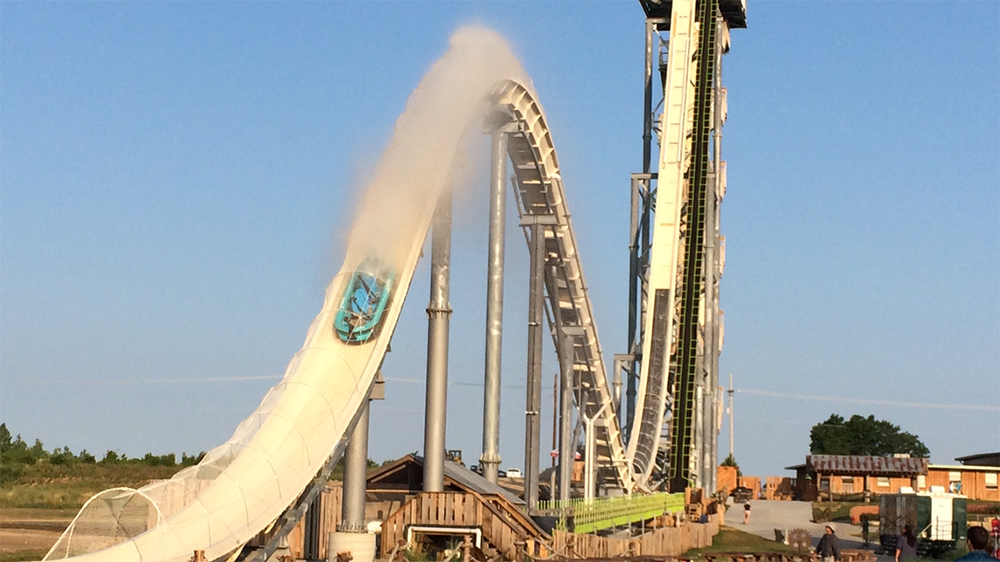
At 168 feet tall, Verrückt wasn’t exactly easing anyone into the experience. The record-breaking Schlitterbahn water slide sent multi-person rafts plunging an enormous first drop before racing over a second hill. Questions about its design and ride dynamics existed even during testing. After a fatal 2016 accident, Verrückt never reopened and was eventually dismantled.
2. Son of Beast Was Almost Too Ambitious to Exist
r/rollercoastersvia Reddit
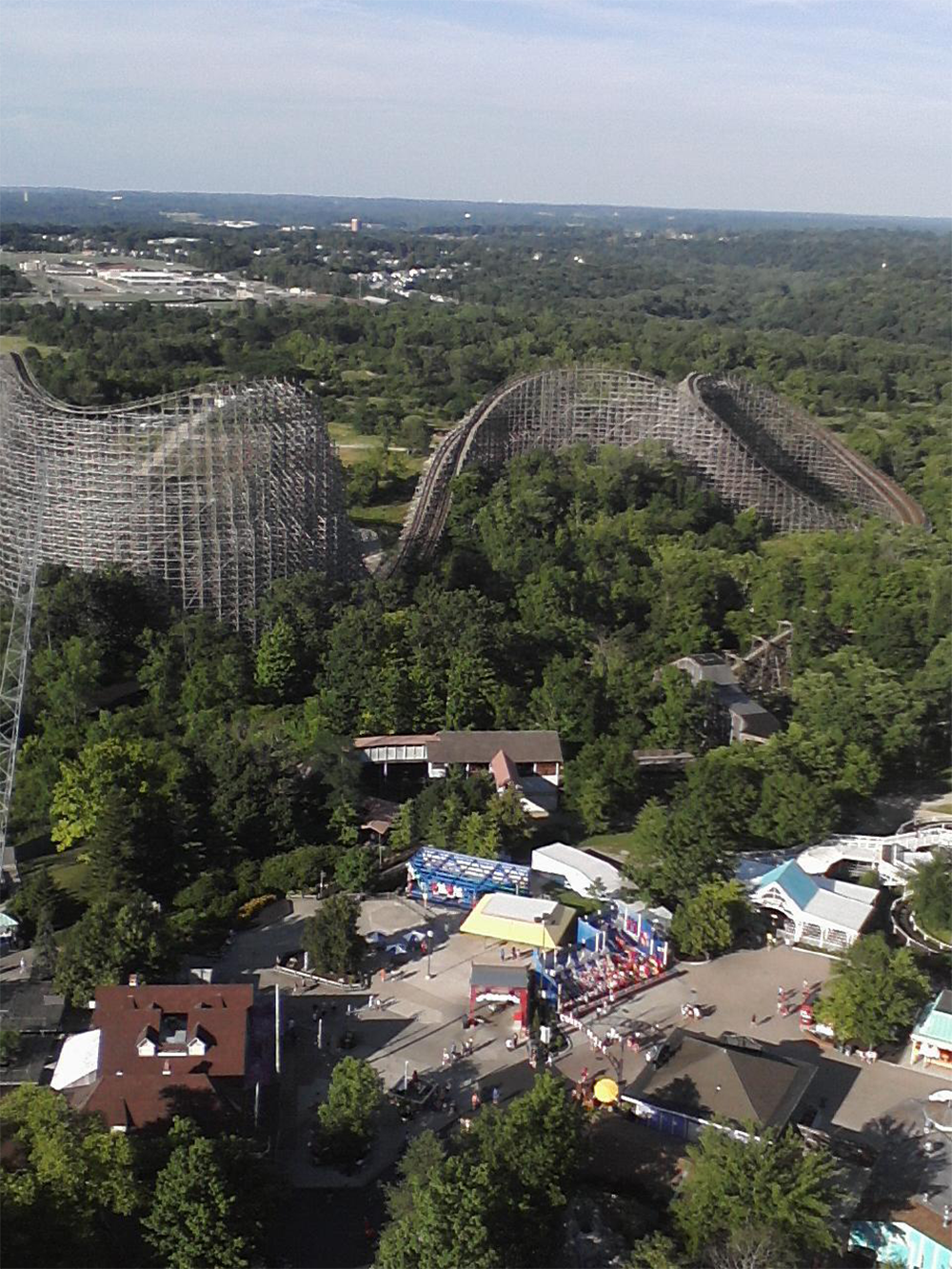
A wooden roller coaster over 200 feet tall wasn’t enough. Kings Island’s Son of Beast originally had a vertical loop, too. What could possibly complicate that engineering challenge? Structural problems and rider injuries eventually led to major modifications, including removing the loop. The fixes weren’t enough to save its future, though, and the enormous coaster was ultimately demolished.
3. Thunder River Rapids Looked Like a Family Ride
r/submechanophobiavia Reddit
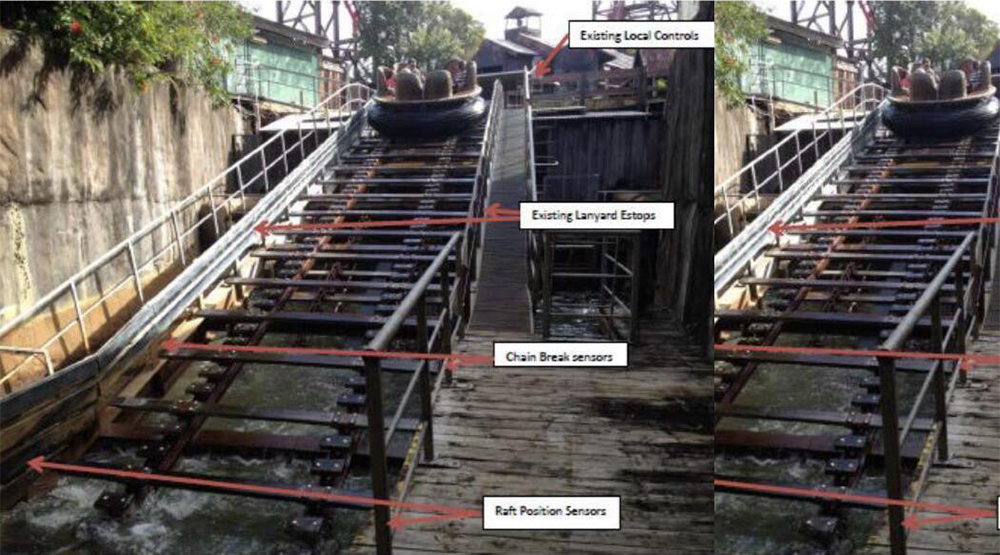
Nothing about Thunder River Rapids screamed extreme thrill ride. That was part of what made its safety failure so unsettling. The Dreamworld attraction carried families through artificial rapids in circular rafts, but a catastrophic 2016 incident exposed serious problems involving the ride system and its operation. Dreamworld permanently closed the attraction afterward rather than returning it to service.
4. Action Park Let You Control the Brakes
r/newjerseyvia Reddit
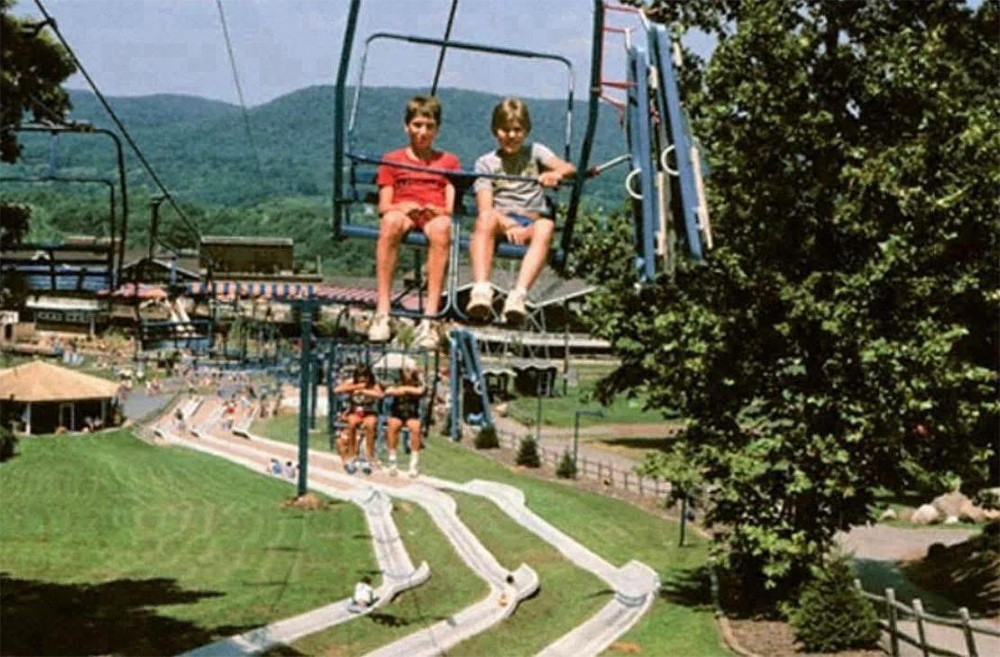
Most amusement rides don’t hand guests control over one of the most important safety variables: speed. Action Park’s Alpine Slide basically did. Riders descended a concrete track in small wheeled carts equipped with their own brakes, which meant skill and judgment suddenly mattered quite a bit. Unsurprisingly, crashes and injuries became an infamous part of the attraction’s reputation.
5. Cannonball Loop Somehow Made It Off the Drawing Board
r/WTFvia Reddit
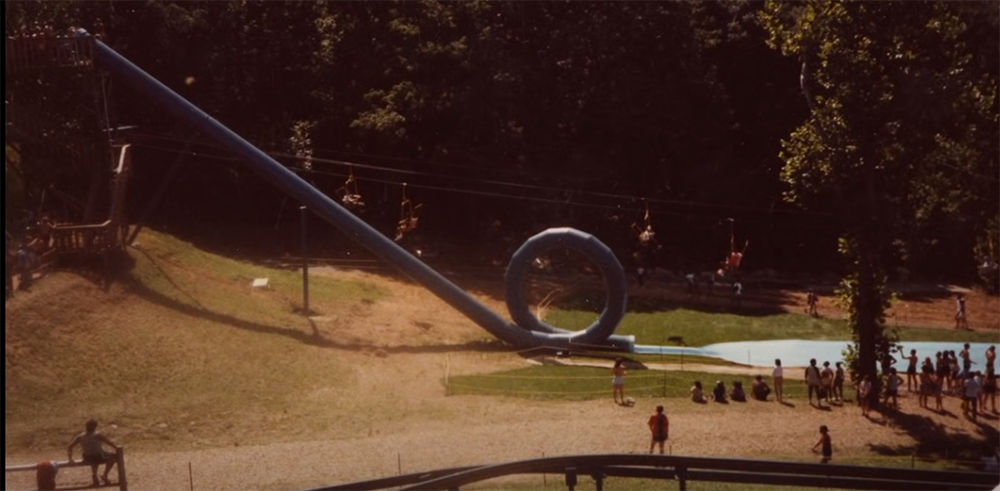
Look at a normal waterslide. Now add a complete vertical loop. Yes, someone actually built that. Action Park’s Cannonball Loop became legendary for its bizarre enclosed design and notoriously difficult testing rather than for becoming a successful attraction. It remains perhaps the purest expression of the park’s philosophy: if an idea looked completely unreasonable, apparently that wasn’t necessarily a dealbreaker.
6. Kayak Experience Hid the Danger Underwater
r/photocritiquevia Reddit
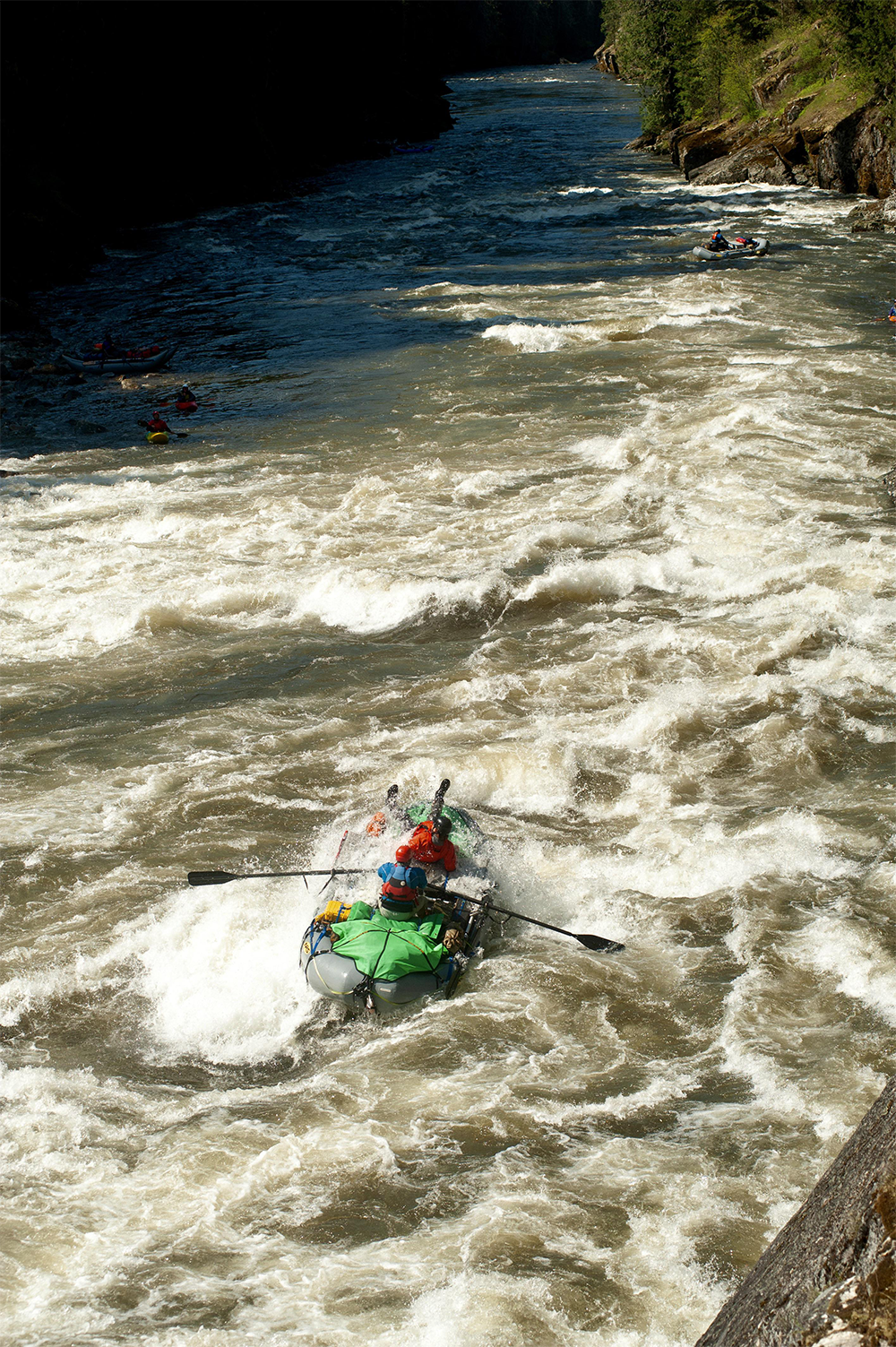
Speed wasn’t the problem here. Action Park’s Kayak Experience sent guests through an artificial whitewater course using submerged electric fans to create the current. After a fatal electrocution incident in 1982, the attraction was permanently closed. Unlike the park’s more obvious thrill machines, its most serious danger was something riders couldn’t even see.
7. Battersea Park’s Big Dipper Ended in Disaster
r/Londonvia Reddit
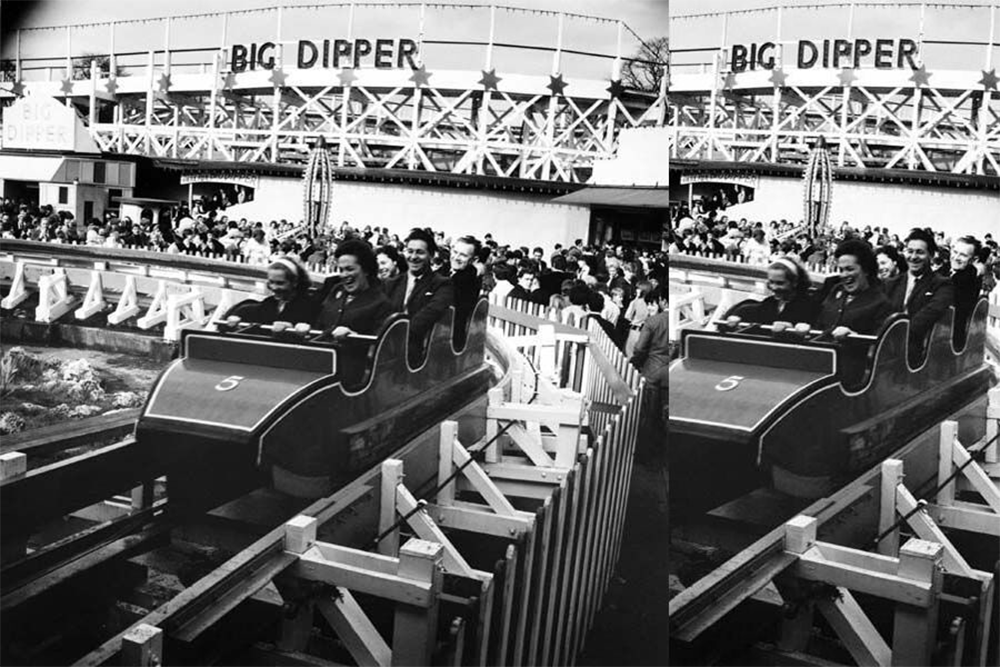
For decades, the Big Dipper looked like classic wooden-coaster fun at London’s Battersea Park. Then, in 1972, a train being pulled uphill broke loose and rolled backward, leading to a devastating crash. The attraction never reopened. How many modern safety systems exist today precisely because early rides revealed what could happen when a single mechanism failed?
8. Flip Flap Railway Had the Wrong Kind of Loop
r/thatsinterestingvia Reddit
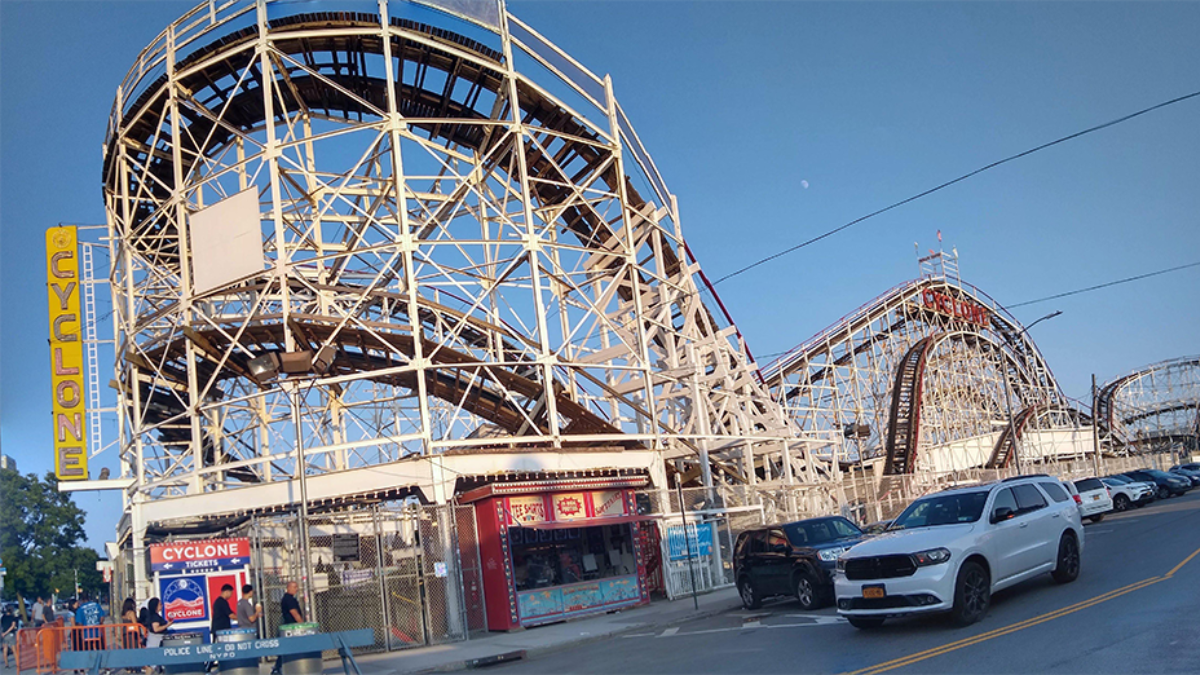
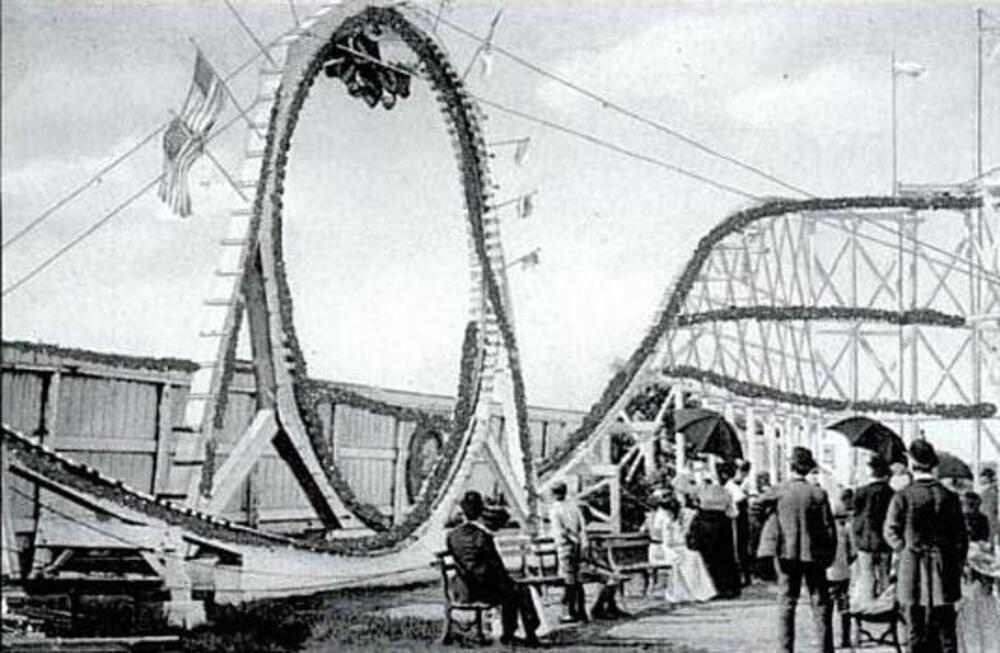
Engineers had figured out that a roller coaster could travel upside down. The geometry still needed some work. Coney Island’s Flip Flap Railway used a nearly circular loop that subjected riders to intense forces, unlike the gentler teardrop-shaped loops used today. The coaster disappeared, but its wonderfully questionable circle became an enduring lesson in roller-coaster design.
9. Loop-the-Loop Wasn’t Exactly Gentle on Your Neck
r/rollercoastersvia Reddit
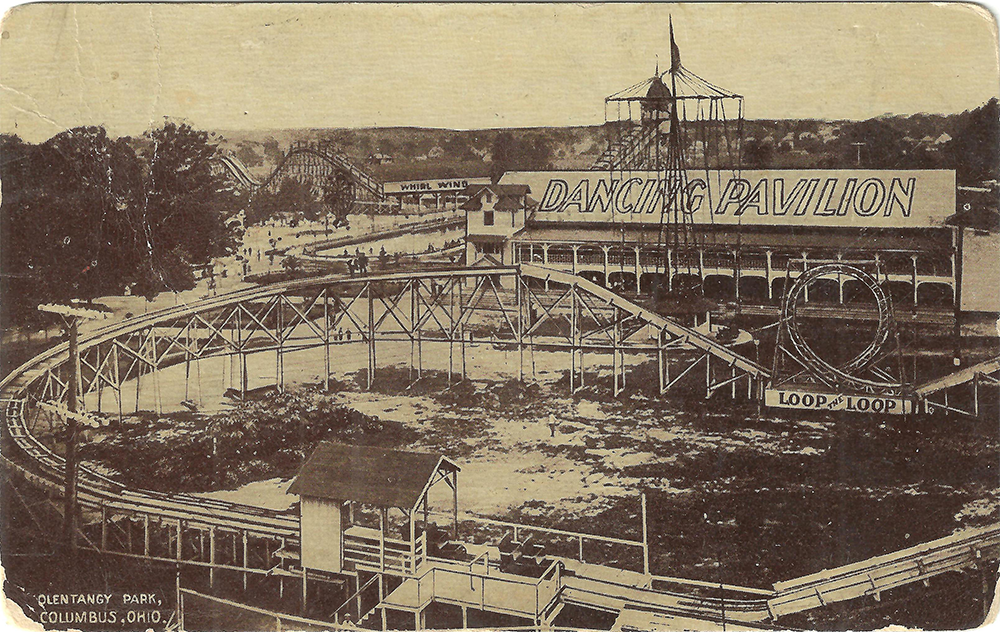
Imagine seeing a vertical loop in the early 1900s, when roller coasters themselves were still relatively novel. Olentangy Park’s Loop-the-Loop promised exactly that thrill, but its tight circular design developed a reputation for being painfully rough on riders. Early looping coasters were spectacular experiments, but human bodies weren’t always thrilled about participating in the research.
10. Derby Racer Turned the Ride Into an Actual Race
r/Bostonvia Reddit
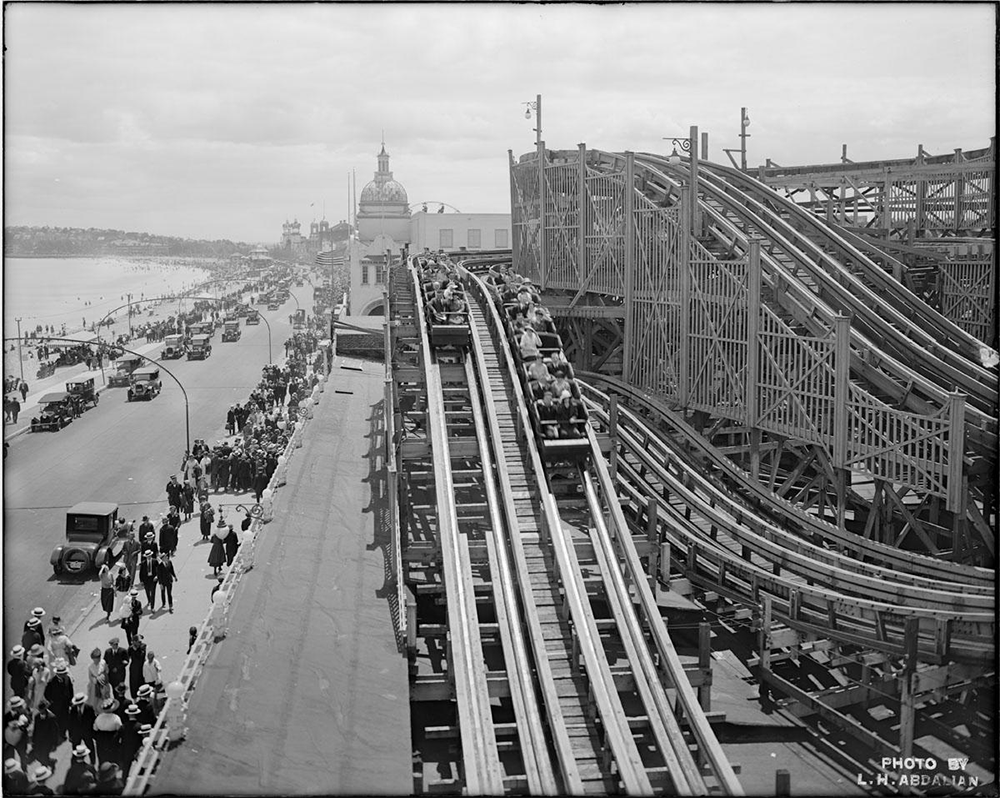
One roller coaster train flying around a wooden track already offered plenty of variables. Revere Beach’s Derby Racer added another train beside it. The racing design created a spectacular attraction, but its early operating era came with safety standards far removed from today’s. Eventually dismantled, it belongs to a period when coaster designers were still discovering where excitement should stop and safeguards should begin.
11. Mindbender Changed After a Deadly Derailment
r/rollercoastersvia Reddit
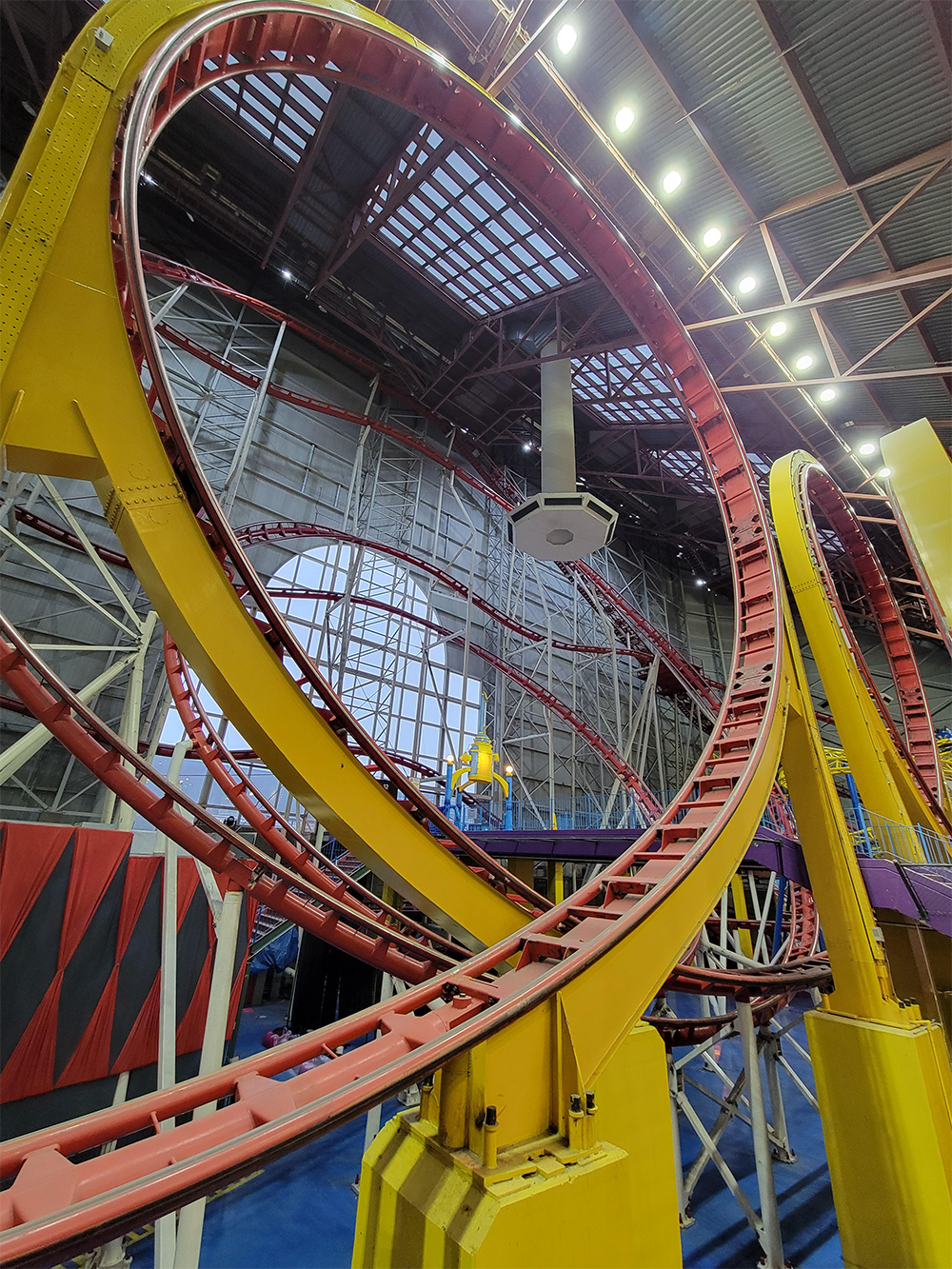
Three loops inside a shopping mall already made Mindbender an extraordinary sight. But in 1986, the West Edmonton Mall coaster suffered a derailment that exposed serious mechanical and safety problems. The ride later returned only after extensive modifications and continued operating for decades. Sometimes keeping a ride means fundamentally changing the machine that made headlines in the first place.
Advertisement
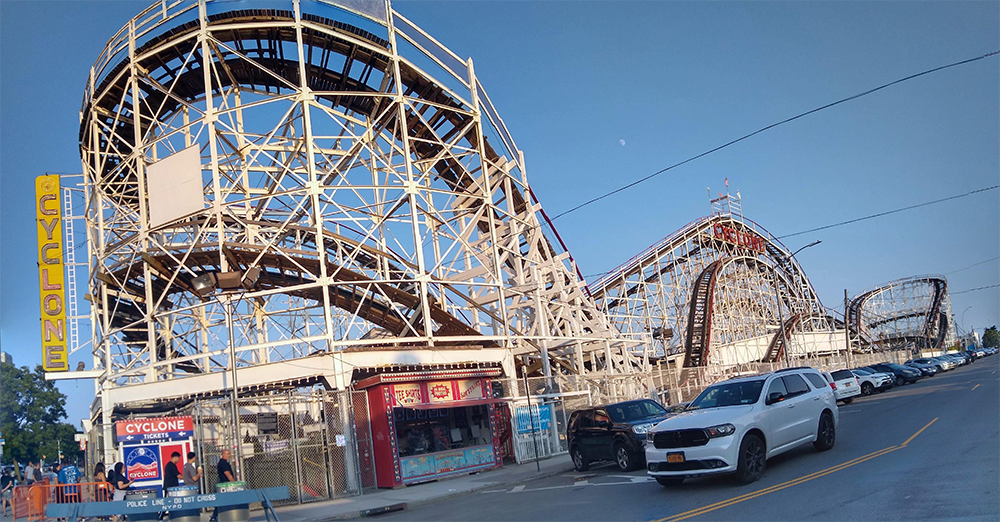
12. Crystal Beach Cyclone Was Almost Too Intense for Its Own Good
r/rollercoastersvia Reddit
The Cyclone didn’t need loops to intimidate riders. Its violent turns, steep drops, and relentless speed earned the 1920s coaster a reputation for extreme intensity, with stories of riders becoming ill or overwhelmed. Would a coaster deliberately engineered to feel this punishing survive today’s design process? Crystal Beach eventually dismantled it in 1946.
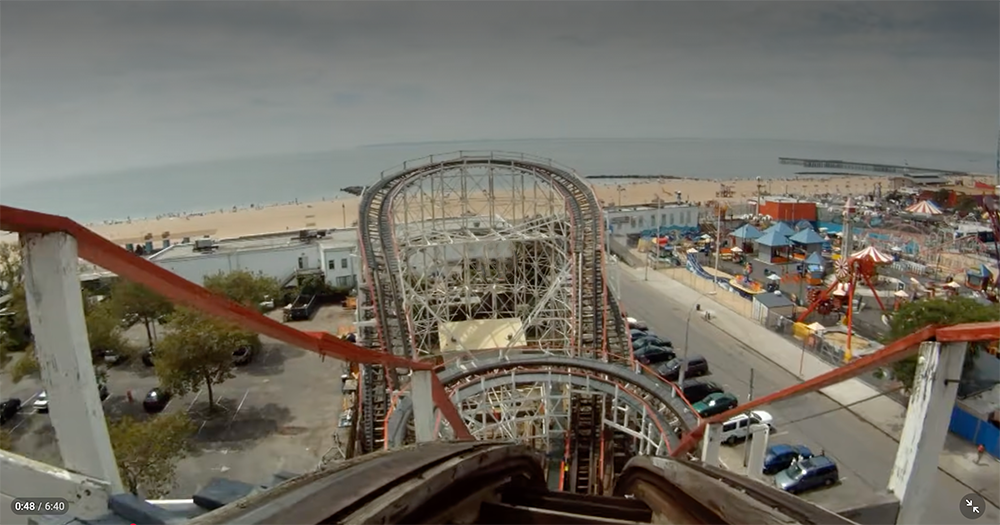
13. Rough Riders Lived Up to the Name
r/coneyislandvia Reddit
There was nothing metaphorical about calling this ride Rough Riders. Coney Island’s early coaster recreated the sensation of racing through rough terrain, with an operator controlling the train rather than today’s automated systems. Its history included serious accidents, making it a striking reminder of how much responsibility early amusement rides sometimes placed in human hands.
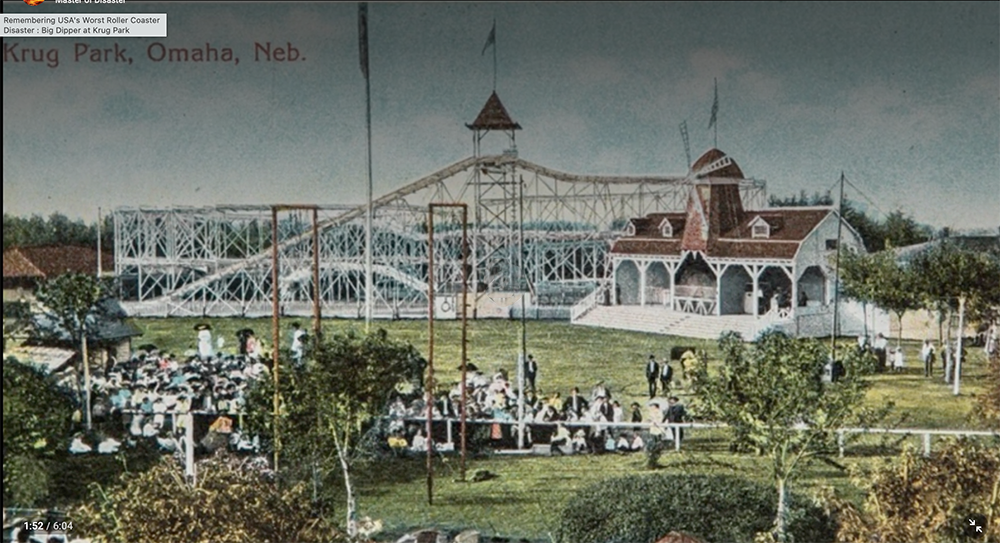
14. Krug Park’s Big Dipper Had No Second Chance
r/CatastrophicFailurevia Reddit
A routine ride became the end of Krug Park’s amusement era in 1930. After the Big Dipper suffered a catastrophic accident, authorities permanently closed the Omaha park. The coaster’s story stands apart because the consequences extended beyond one attraction: a single ride helped bring an entire amusement park to an abrupt end.
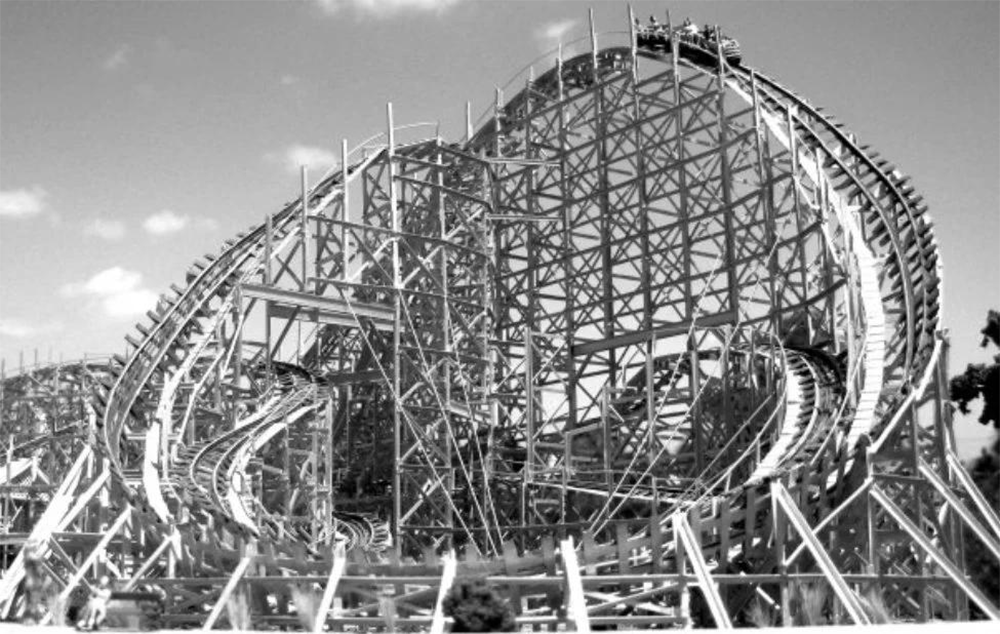
15. Wild Wonder Lasted Only a Few Years
r/rollercoastersvia Reddit
Wild Wonder wasn’t an aging wooden relic from amusement-park history. The compact steel coaster opened at Gillian’s Wonderland Pier in the 1990s, making what happened next feel disturbingly modern. After a fatal 1999 accident involving a train rolling backward, the coaster was removed, ending the remarkably short life of an attraction that had barely gotten started.
16. Fujin Raijin II Exposed a Maintenance Failure
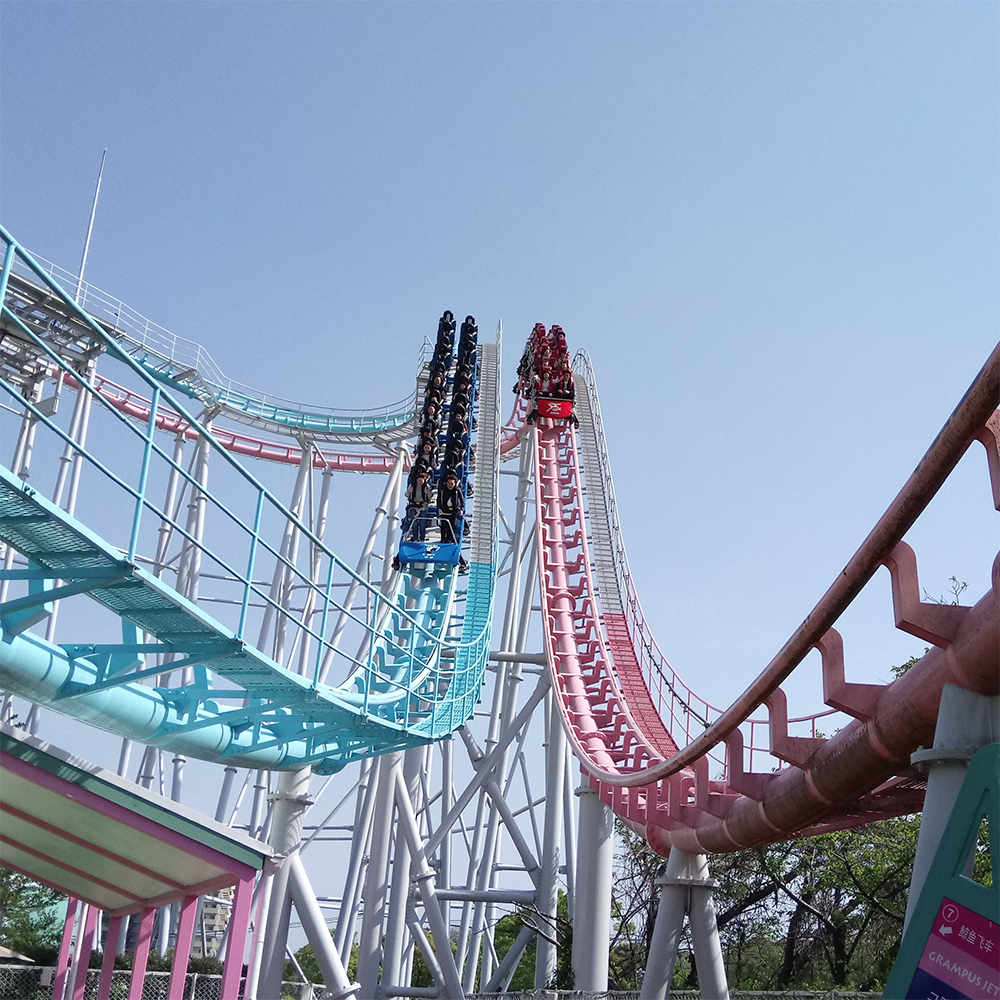
r/rollercoastersvia Reddit
Fujin Raijin II had been operating at Japan’s Expoland for years when a wheel assembly failed during a 2007 ride, causing a derailment. The investigation put maintenance practices under scrutiny, and the coaster never returned to normal operation. Expoland itself eventually closed, leaving the abandoned ride as an eerie reminder that safety depends on more than the original design.
17. Mind Scrambler Became Too Dangerous in the Dark
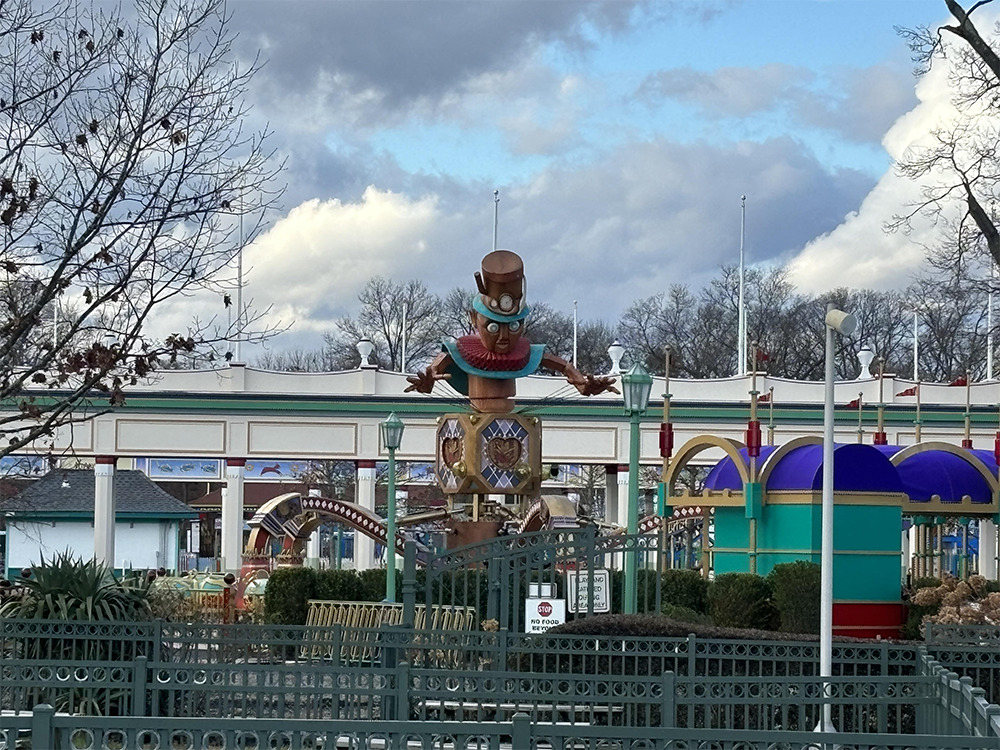
r/rollercoastersvia Reddit
Part of Mind Scrambler’s appeal was sensory confusion: riders spun through Rye Playland inside a darkened enclosure filled with lights and music. But after a fatal 2007 accident, investigators focused on the attraction’s restraints and operating conditions. The ride was permanently closed. How much does darkness change when operators also need to see what’s happening?
18. Hydro Returned With a Very Different Safety System
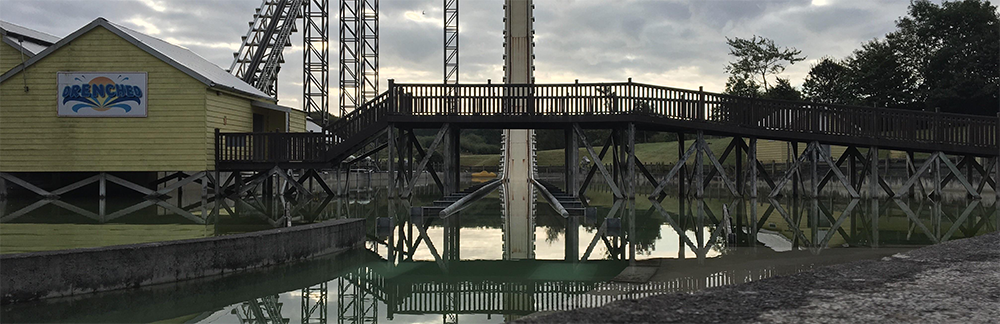
r/rollercoastersvia Reddit
Oakwood Theme Park’s Hydro sent boats over an enormous near-vertical drop, ending in a spectacular wall of water. After a fatal 2004 accident, the attraction closed while its restraint system came under investigation. It eventually reopened with major safety modifications and a new name, Drenched, making it a clear example of a thrill ride that could only continue after fundamental changes.
Theme parks are supposed to manufacture the feeling of danger while carefully controlling the real thing. These dangerous theme park rides show what happens when that distinction breaks down. Sometimes the problem was experimental engineering, sometimes maintenance, restraints, or operations, but each case helped expose weaknesses that parks could no longer afford to ignore.
Keep Exploring The Scroller
The strangest part of amusement park history isn’t how extreme rides became. It’s how much designers had to learn along the way. Keep exploring The Scroller for more forgotten attractions, unbelievable engineering experiments, and pieces of the past that make today’s world look surprisingly sensible:
20 Vintage Photos Of Amusement Parks From The Past (1890-1980s)
19 Vintage Photos Of Fairs And Carnivals From Decades Past
19 Vintage Photos Of County Fairs In The Early 1900s
Source: "AOL Entertainment"
Source: Entertainment
Published: September 1, 2026 at 02:00PM on Source: RED MAG
#ShowBiz#Sports#Celebrities#Lifestyle