Woman Sentenced to Life in Prison for the Murder of Her Newborn 29 Years Before Says She Doesn’t Remember Being Pregnant Alexandra SchonfeldMon, July 20, 2026 at 4:34 PM UTC 1 Gail Ritchey in court.Credit: Baby Doe, LLC The documentary Baby Doe explores how Gail Ritchey ended up being sentenced to life in prison for the murder of her newborn in 1993 The film, executiveproduced by Sarah Paulson, offers a frontrow look at Ritchey’s experience following her arrest in 2019 Baby Doe premiered in competition at SXSW in 2025 When asked if she ever took a pregnancy test for the child she gave birth to...
Woman Sentenced to Life in Prison for the Murder of Her Newborn 29 Years Before Says She Doesn’t Remember Being Pregnant

Alexandra SchonfeldMon, July 20, 2026 at 4:34 PM UTC
1
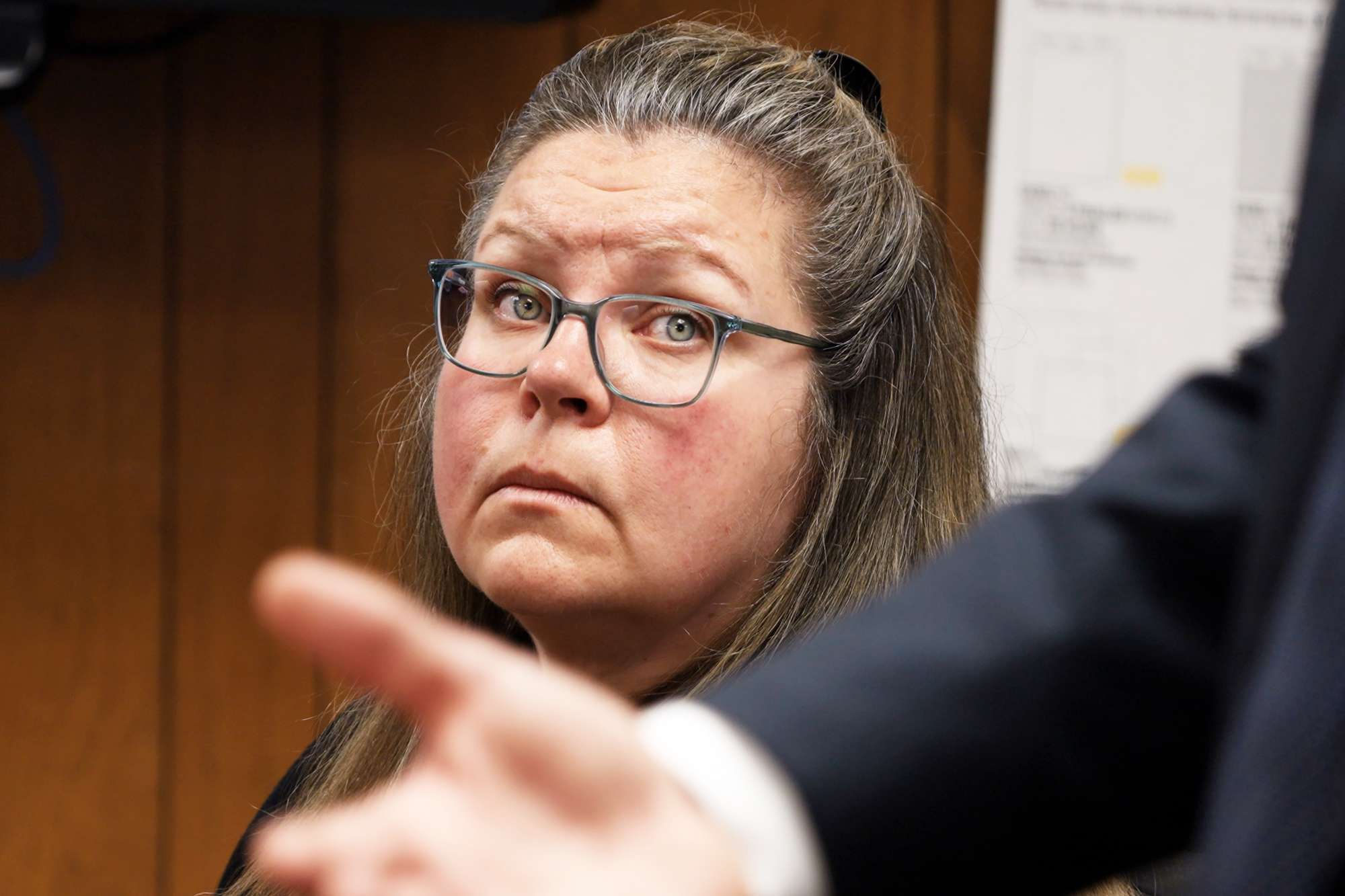
Gail Ritchey in court.Credit: Baby Doe, LLC -
The documentary Baby Doe explores how Gail Ritchey ended up being sentenced to life in prison for the murder of her newborn in 1993
The film, executive-produced by Sarah Paulson, offers a front-row look at Ritchey’s experience following her arrest in 2019
Baby Doe premiered in competition at SXSW in 2025
When asked if she ever took a pregnancy test for the child she gave birth to in 1993, Gail Ritchey’s answer is not as simple as a “yes” or “no.”
In the documentary Baby Doe, director Jessica Earnshaw takes a closer look at the case surrounding a baby who became known as “Geauga’s Child” after being found dead in a bag in 1993 in a wooded area of Geauga County, Ohio.
For years, the identity of the newborn was unknown, until genetic genealogy linked the child to Ritchey in 2019, leading to her arrest.
In the film, executive-produced by Sarah Paulson, Earnshaw follows Ritchey — now a mother of three adult children — and her family as they navigate life after the arrest and attempt to understand how they got there.
In 1993, Ritchey had already begun dating her now-husband Mark, whom she met in church. The two were sexually active before marriage, which was considered sinful behavior in their religion. This didn’t only lead to the pregnancy in question. In interviews with police, Ritchey admitted she gave birth to a child two years prior whose fate was similar to the baby at the center of the case (because only one baby was found, she wasn’t charged for the first baby’s death.)
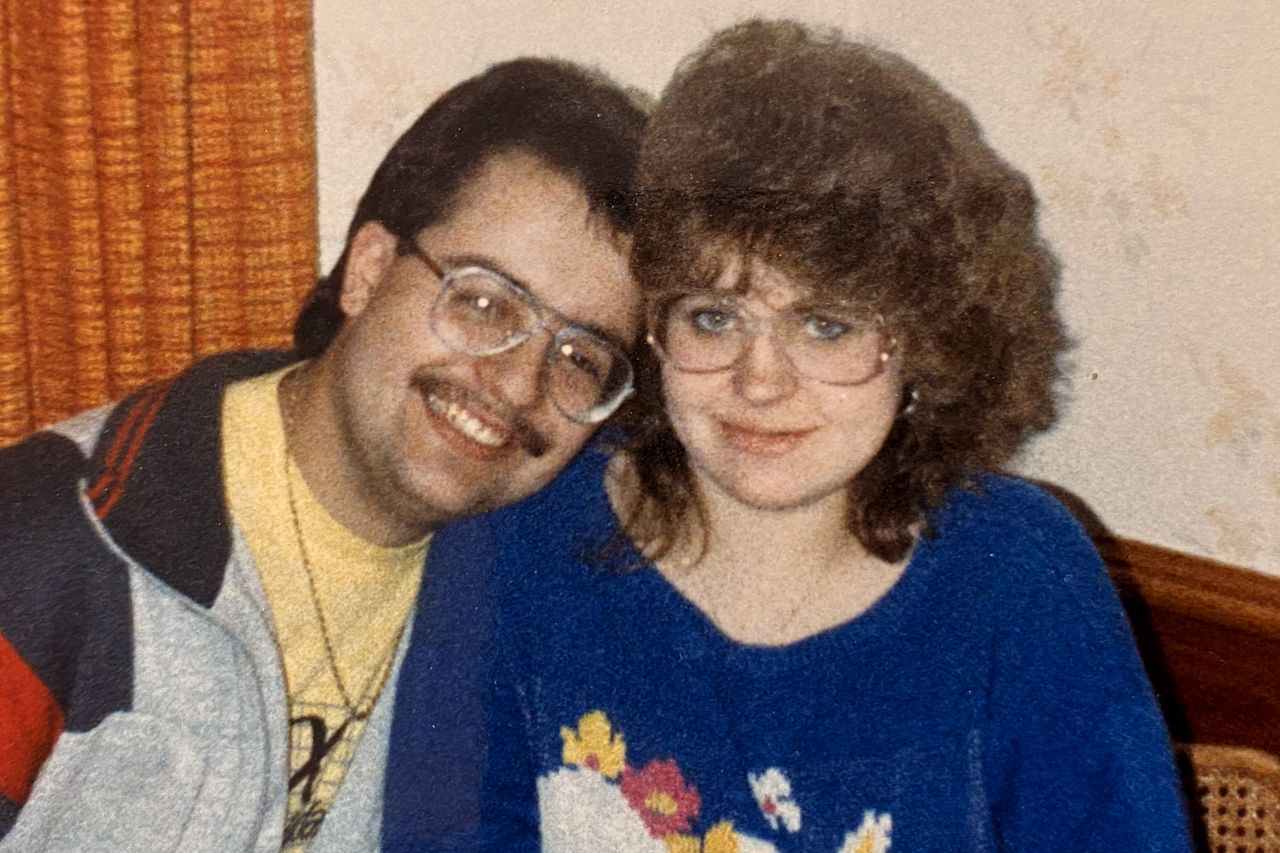
Gail Ritchey and her husband Mark.Credit: Baby Doe, LLC
Ritchey told police at the time of her arrest that she didn’t know she was pregnant at the time of the baby’s birth. While speaking with her lawyer in the documentary, she admits she took a positive pregnancy test but has no memory of purchasing it, or what her reaction was to reading the result.
“I really don’t remember any memories from that point on as far as being pregnant,” she says.
Elsewhere, she explains what she does remember: “I didn’t purposely hide this pregnancy, either pregnancy. I wore the same clothes, ate the same way, just, you know, went on being who I was,” she says.
“I remember what happened that day almost like I wasn’t there,” she continues. “I just remember the motions. I went to work not feeling well. I remember needing to go to the bathroom, birthed the baby in the toilet. Not hearing anything, proceeded to the kitchen, got a trash bag, came back. Still not hearing anything.”
“I just know that I put everything into the bag. I don’t think I closed my eyes. I mean I looked in the direction of the bag, but I don’t remember seeing what I put in the bag,” she adds.
As explained in the documentary, Ritchey’s case is not completely unique and can be grouped with other women who claim to have experienced what is referred to as “unperceived pregnancies” or “pregnancy denial.”
While working on the case in the doc, her lawyer Steven Bradley sits down with forensic psychiatrist Cara Angelotta, who explains that there is a “subset of pregnancy denial where they know they’re pregnant, but for long stretches of the pregnancy they’re able to put it out of their mind. It’s like when someone has an obvious tumor and they just pretend like it’s not there and will show up when it’s really, really bad.”
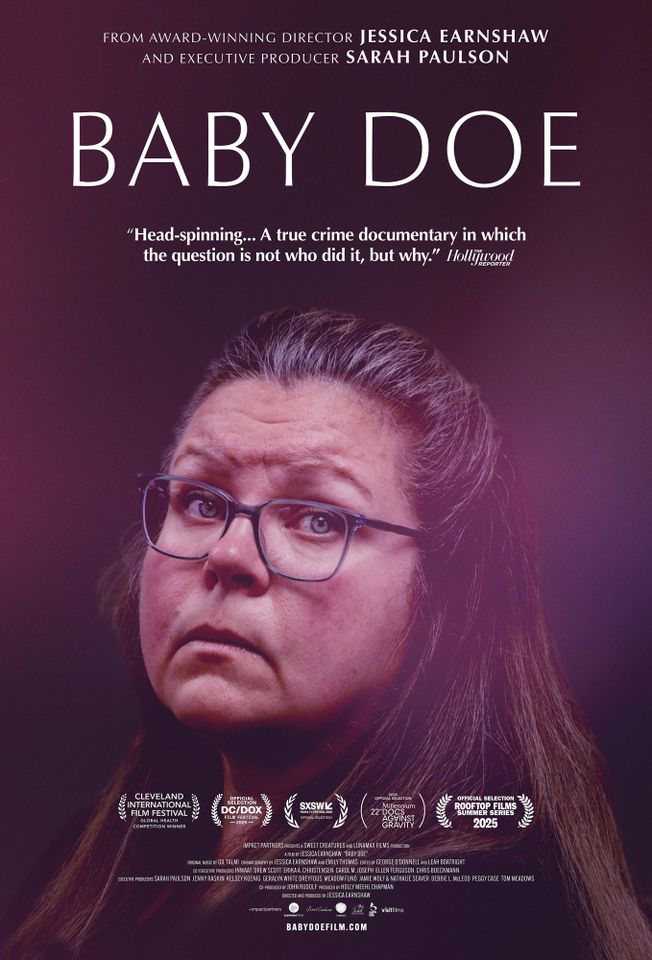
The poster for ‘Baby Doe’Credit: Baby Doe, LLC
“With the onset of labor, the disassociative symptoms are pretty common,” she says, adding, “It’s also possible… for the person who gave birth to not perceive the baby as alive.”
She explains that the fact that it happened once before points even more to the possibility that this psychological phenomenon was a factor.
As her lawyers prepare for the trial, they call Ritchey to again ask her what she recalls from the time of her pregnancy.
Advertisement
“I don’t recall thinking I was pregnant,” she tells them. When Bradley asks what she means by that, she says: “That I didn’t know I was pregnant.”
Bradley again brings up the positive pregnancy test, insisting she would have known after that. She responds: “Yes, probably, yes, but I don’t remember noticing it physically.”
As Bradley explains, Ohio does not recognize diminished capacity defense and ultimatelydid not allow the defense to have expert witnesses speak to the mental health component at play. Instead, her lawyers had to focus on the science and their belief that it’s not possible to prove the baby was born alive.
Looking back at what happened, Ritchey’s husband Mark says, “I should have proposed and gotten married sooner.”
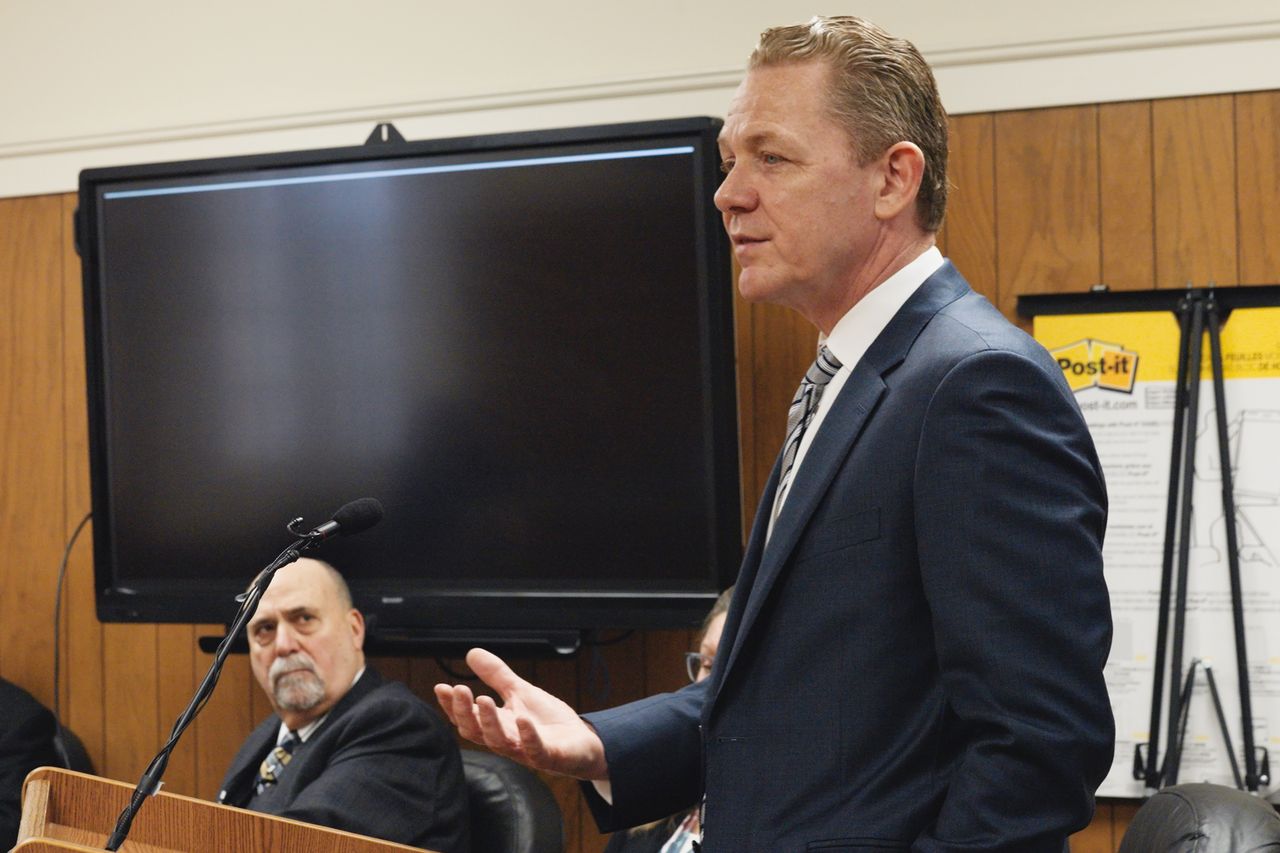
Steven Bradley in court.Credit: Baby Doe, LLC
“She was in a position that I put her in. It was an unplanned pregnancy. We weren’t married, and that created the dissociation with the pregnancy,” he adds.
During the trial, which included a predominantly male jury, an expert witness for the prosecution says there was proof the baby did breathe following birth — though the defense says that’s not a conclusion that can be made as they do not know the cause of death. The prosecution also presented photos of the baby after it was found, lying on an autopsy table. The trial was the first time Ritchey had seen the images.
“Yesterday, when I was looking at the pictures, seeing the baby made it real,” she says in the film. “I was sitting there, kind of swaying like I was holding him, and I just kept saying, ‘Sorry.’ Sorry that I didn’t try and do something to help. Sorry that I didn’t call for some help. Sorry for abandoning him.”
Ultimately, the jury found Ritchey not guilty of the count of aggravated murder but guilty of the count of murder, and she was taken into custody immediately with her bail revoked.
“I feel responsible, and no matter what you say, I will always feel responsible,” Mark writes in a letter to his wife in jail, later turning to the camera to add: “She’ll tell you that I was the best thing to ever happen to her, and I’ll tell you, she deserved better than me.”
In 2022, Ritchey was sentenced to life in prison with the possibility of parole in 15 years. During her sentencing, which is shown in the film, the judge tells her she “took the easy way out.”
“I acknowledge you’ve since led a respectable, gracious life, so I can’t rationalize these two Gail Ritcheys, I won’t even try,” he says, later concluding, “Calling you a monster who deserves life in imprisonment might not be an unfair exaggeration.”
Before escorting her out of the room where her virtual sentencing took place, a corrections officer tells Ritchey: “I’ve known a lot of people in here. I’ve seen a lot of people who are monsters. You’re not a monster.”
Both the Ohio Supreme Court and U.S. Supreme Court declined her request to review the case.
The film is screening in theaters across the country this month with digital distribution planned in the fall.
A post from Paulson about the documentary, which is screening in select U.S. theaters this summer with digital distribution planned for the fall, says, “Baby Doe looks beyond the headlines to reveal the human complexity of Gail’s case, exploring how women’s health, justice and powerful outside forces shape stories like hers.”
on People
Source: "AOL Entertainment"
Source: Entertainment
Published: July 20, 2026 at 11:01PM on Source: RED MAG
#ShowBiz#Sports#Celebrities#Lifestyle