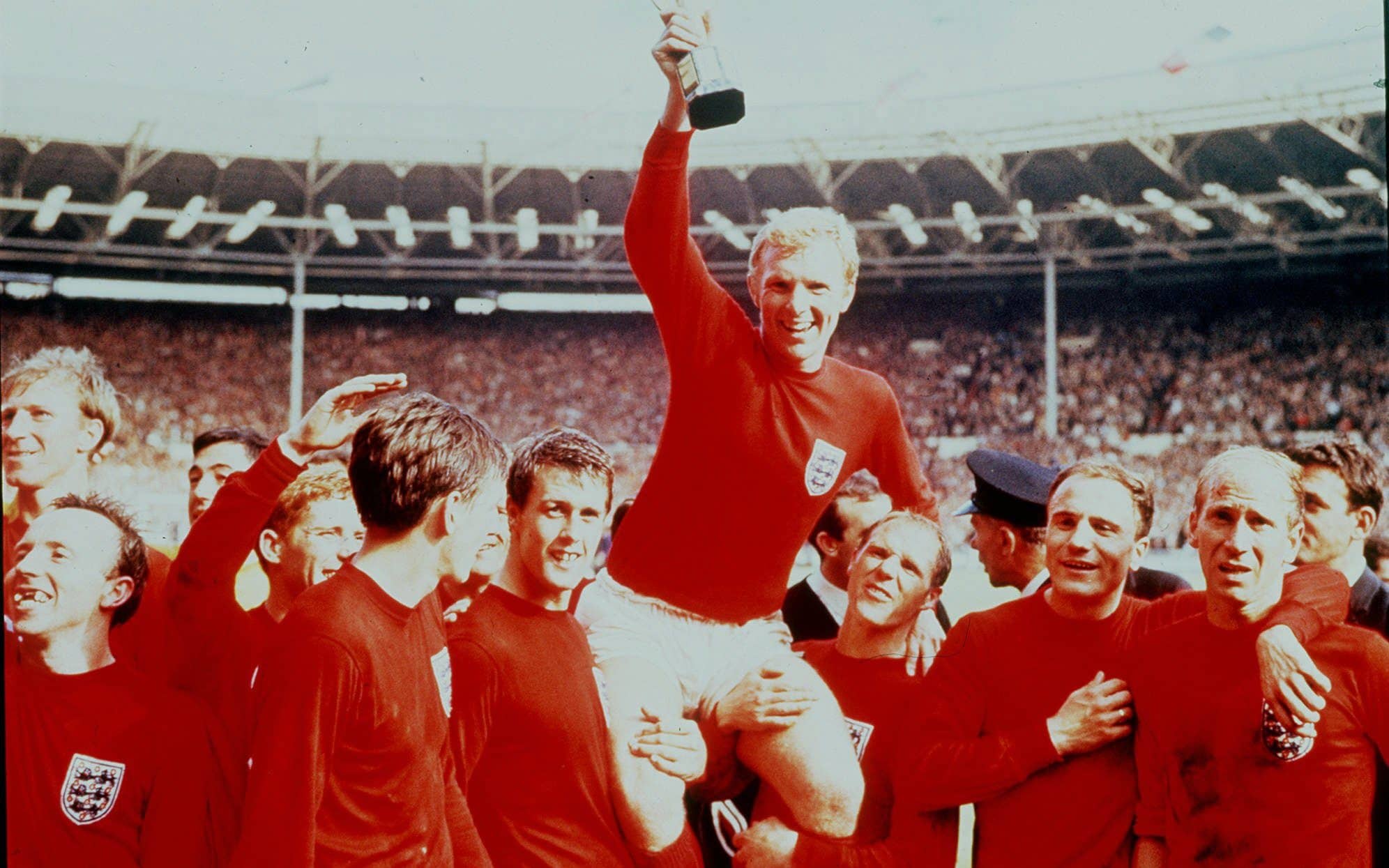
‘I saw every game of England’s 1966 World Cup win for £8’ Liam BurtThu, July 30, 2026 at 5:59 AM UTC 0 Bobby Moore raises the Jules Rimet Trophy as England win the 1966 World Cup AP It is 60 years to the day since England’s greatest sporting triumph. Phillip Power looks through his prized scrapbook from the 1966 World Cup, and recalls how he and childhood friends Dave and Bob watched every minute of England’s campaign, for a cost that could scarcely buy you a pint today.
‘I saw every game of England’s 1966 World Cup win for £8’

Liam BurtThu, July 30, 2026 at 5:59 AM UTC
0
Bobby Moore raises the Jules Rimet Trophy as England win the 1966 World Cup - AP
It is 60 years to the day since England’s greatest sporting triumph. Phillip Power looks through his prized scrapbook from the 1966 World Cup, and recalls how he and childhood friends Dave and Bob watched every minute of England’s campaign, for a cost that could scarcely buy you a pint today.
Standing in the “West Standing Enclosure Turnstile J Entrance 51” of Wembley Stadium for the duration, Power “could not have been much closer to view Geoff Hurst complete his hat-trick in the final”. The cost of attending every England game from the opening group game through to the final? £8.
Power, 78, was 18 in 1966. The tournament came at the “perfect timing”, Power had just finished his A-levels, and decided with school-friends at Southend Grammar School to buy a Wembley season ticket before heading off to university in September. The season ticket was paid for by working as a road sweeper for Southend-on-Sea Borough Council.
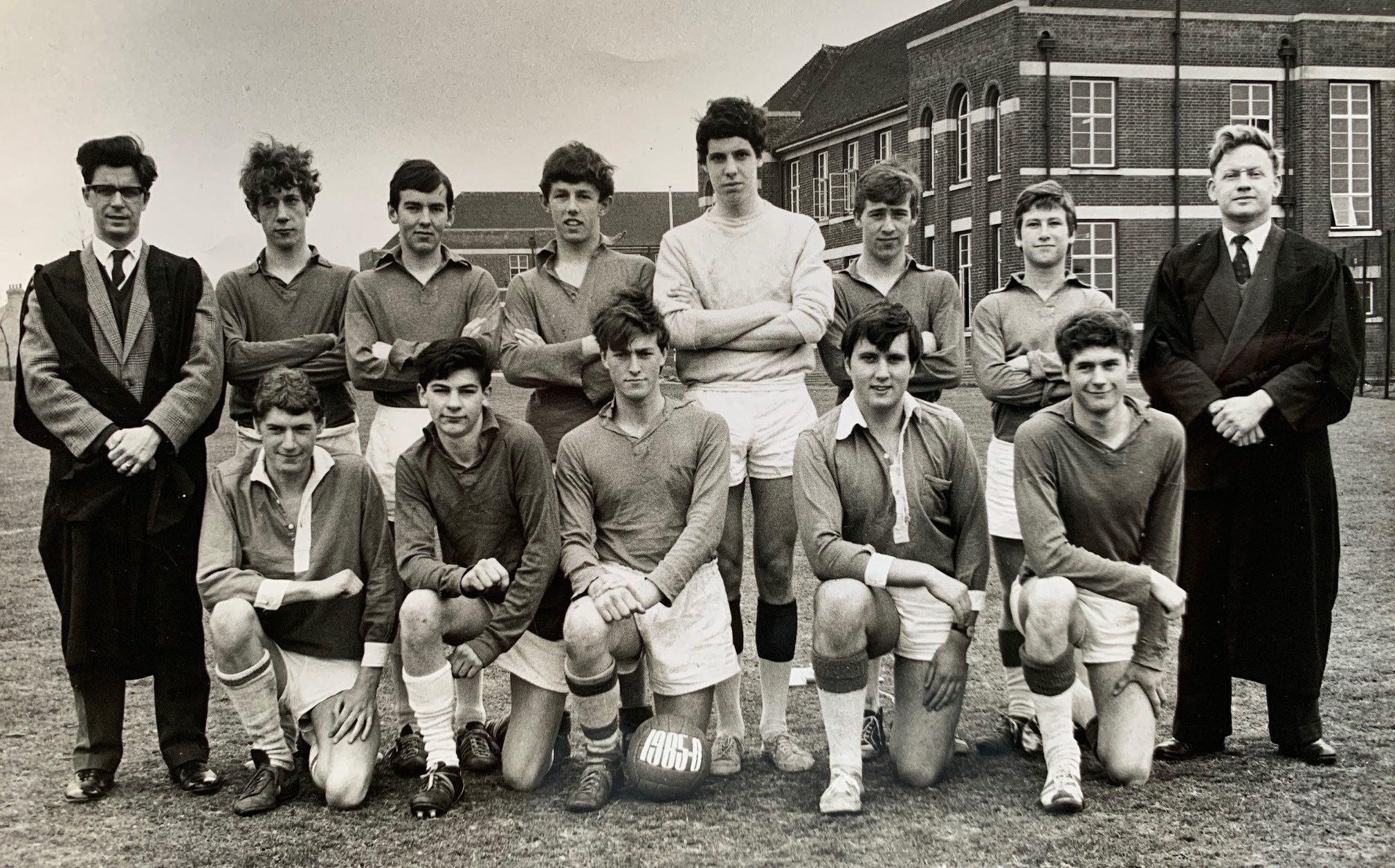
Phillip Power (back row, third left), known by his school-mates as ‘Pip’, recalls a hat-trick for Southend Grammar School 2nd XI away in Barking just months before the 1966 World Cup. A good omen, he suggests, for Hurst - Phillip Powell
“I had no difficulty getting them,” Power remembers. “I can’t recall if it was a lottery, but I applied and got it without difficulty or, indeed, relatively great cost.”
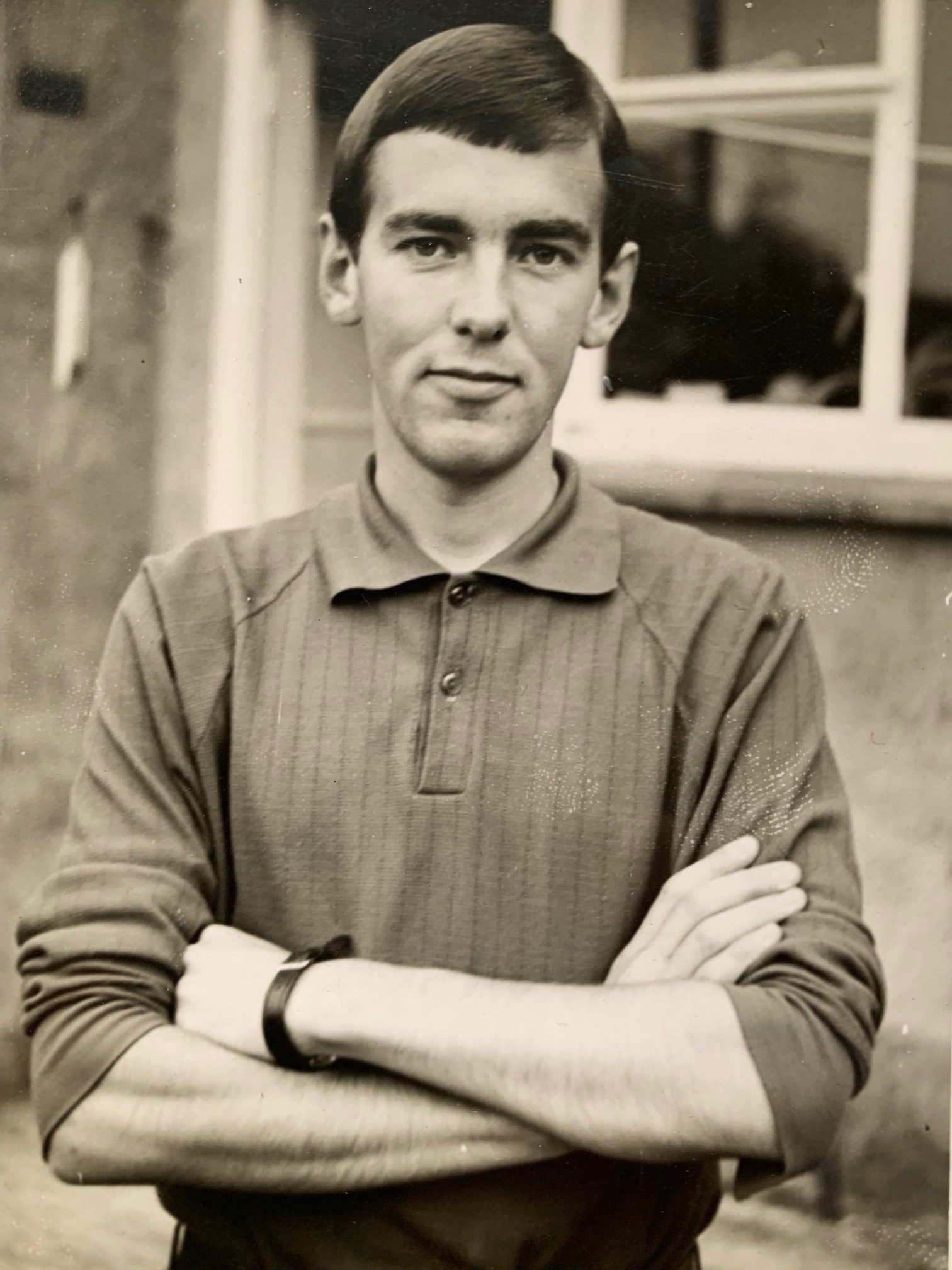
Power invested in a Wembley season ticket, with England playing all six of their matches in the national stadium
This is almost inconceivable to the modern fan against the backdrop of Fifa’s “rip-off World Cup” which Gianni Infantino described as “104 Super Bowls”. Ticket prices in North America reached extortionate five-figure prices, with one ticket for the final listed for a staggering $11.5m.
Power spent, on average, less than £2 per game.
He has retained his six original England tickets, tucked carefully away in an album, along with other memories that tell the story of an unforgettable summer.
Despite being “optimistic all along” about England’s chances of lifting the Jules Rimet Trophy, the opening game against Uruguay was, in Power’s words, “diabolical”. An uninspiring goalless draw which everyone “got very worked up over”, he says with a chuckle. “Perhaps nothing changes.”
“It was a very dull open match I recall. Where are we going? Are we going anywhere? Will we be out after the group games? We’ve heard it all before and many times since at World Cups, but that was the feeling.”
The quarter-final tie with Argentina was a standout memory. “A horrible game, because of the Argentinians. Perhaps one could say [again] nothing changes.”
Advertisement
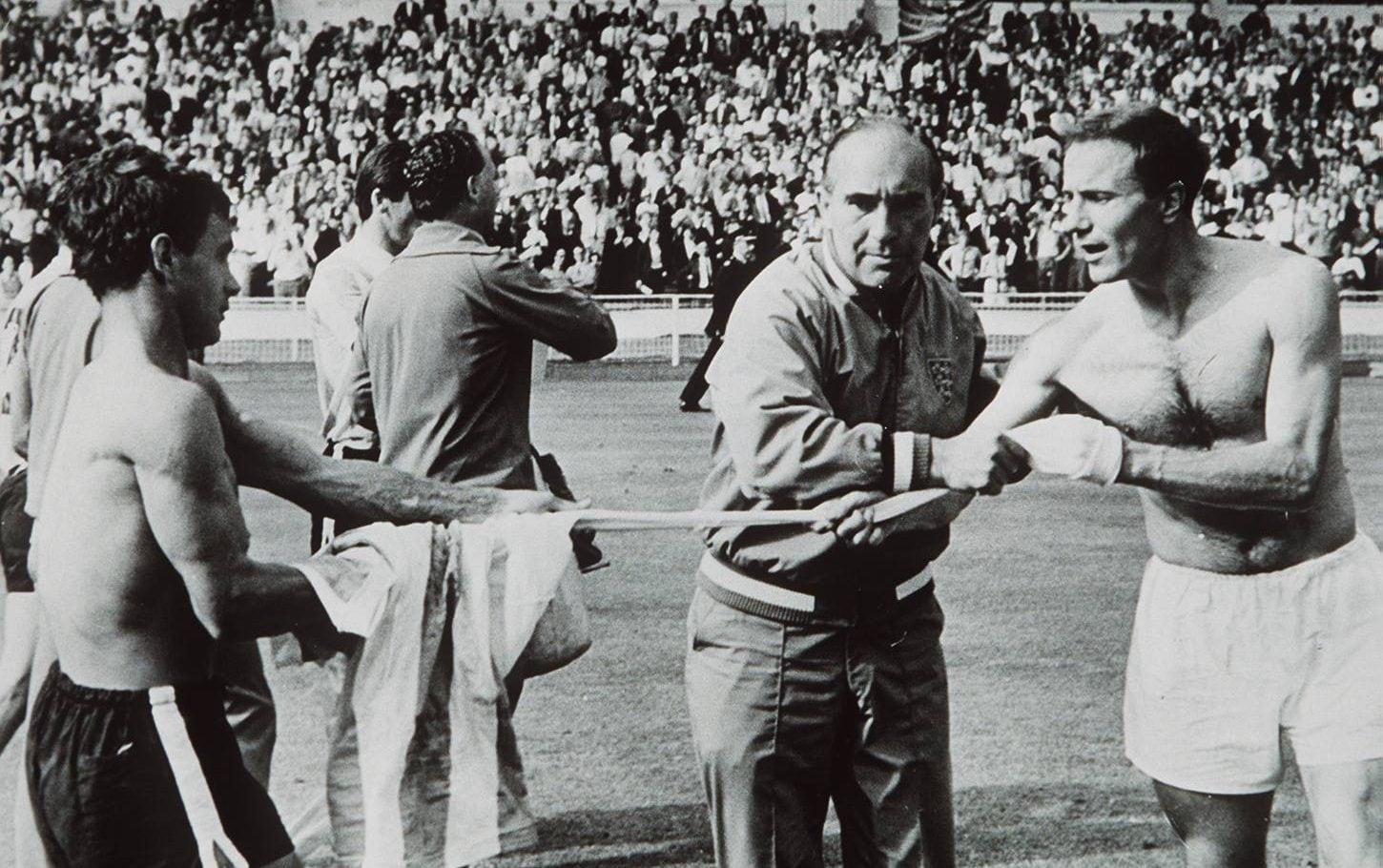
Alf Ramsey stops George Cohen swapping shirts with an Argentine player
He remembers the extraordinary scenes that followed captain Antonio Rattín’s controversial sending-off for “violence of the tongue”. Rattín refused to leave the pitch, leading to an eight-minute hold-up. The Argentine sat down on the red carpet that had been laid for Elizabeth II. Police officers were called to remove and later smuggle him out of the stadium to evade further chaos. Because of confusion in the crowd and on the pitch, the infamous incident is said to have inspired the creation of the yellow and red card system.
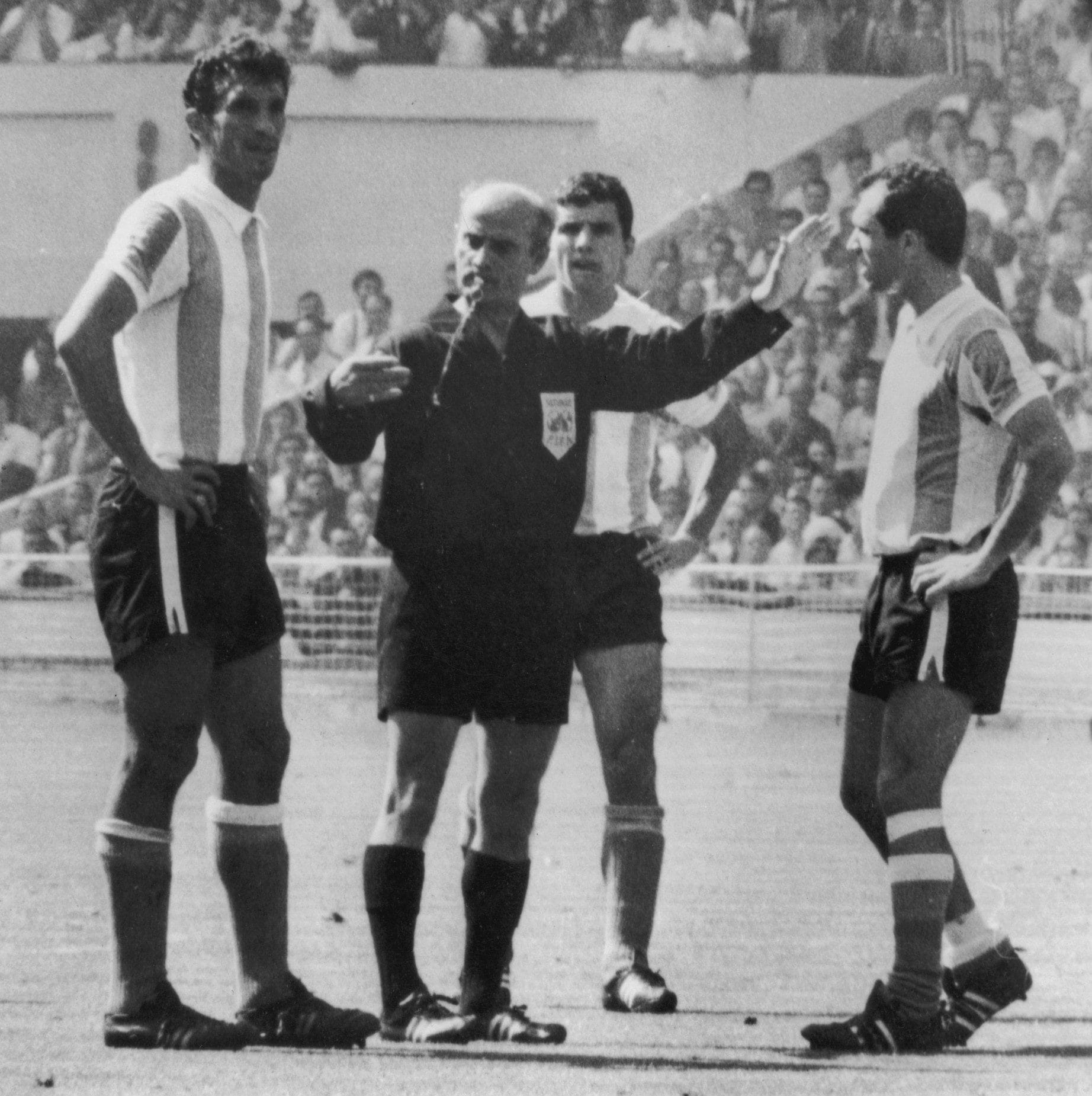
Antonio Rattin is given his marching orders by German referee Rudolf Kreitlein - Getty Images
Power notes the mood of Wembley during the debacle: “There was frustration that the predominantly England supporting crowd just wanted to get on with the match. Get it out of the way as it were, knowing Rattín had been sent off and that 11 vs 10 was a significant advantage, once they managed to get him off the pitch, and indeed the red carpet.”
And then the final. Power was among the 98,000 fans who witnessed England beating West Germany, and England’s crowning moment of glory was “mind-blowing” to an 18-year-old. “Just in front of us was the winning Geoff Hurst goal”.
Power recalls how close he was to Hurst as he secured a 4-2 victory, becoming the first player to score a hat-trick in a World Cup final.
This came after Hurst’s contentious second goal. Power was at the opposite end of the stadium. Did it go in? “Who knows?” he says, cheerfully. “The linesman certainly thought so, which was all that mattered to us.
“The initial celebrations were spectacular, particularly when Hurst got the fourth goal, followed by the final whistle. That was the moment. The moment where Bob picked me up and was waving me around. I think we, well I certainly, feared where we were going to finish up. It was the biggest, greatest excitement that I’ve ever encountered.”
Power was caught up in the joy of it all, but upon reflection was glad he did not join the delirious mass who rushed on to the pitch.
Bob and Dave, who spent every step of England’s World Cup journey with Power, went their separate ways shortly after.
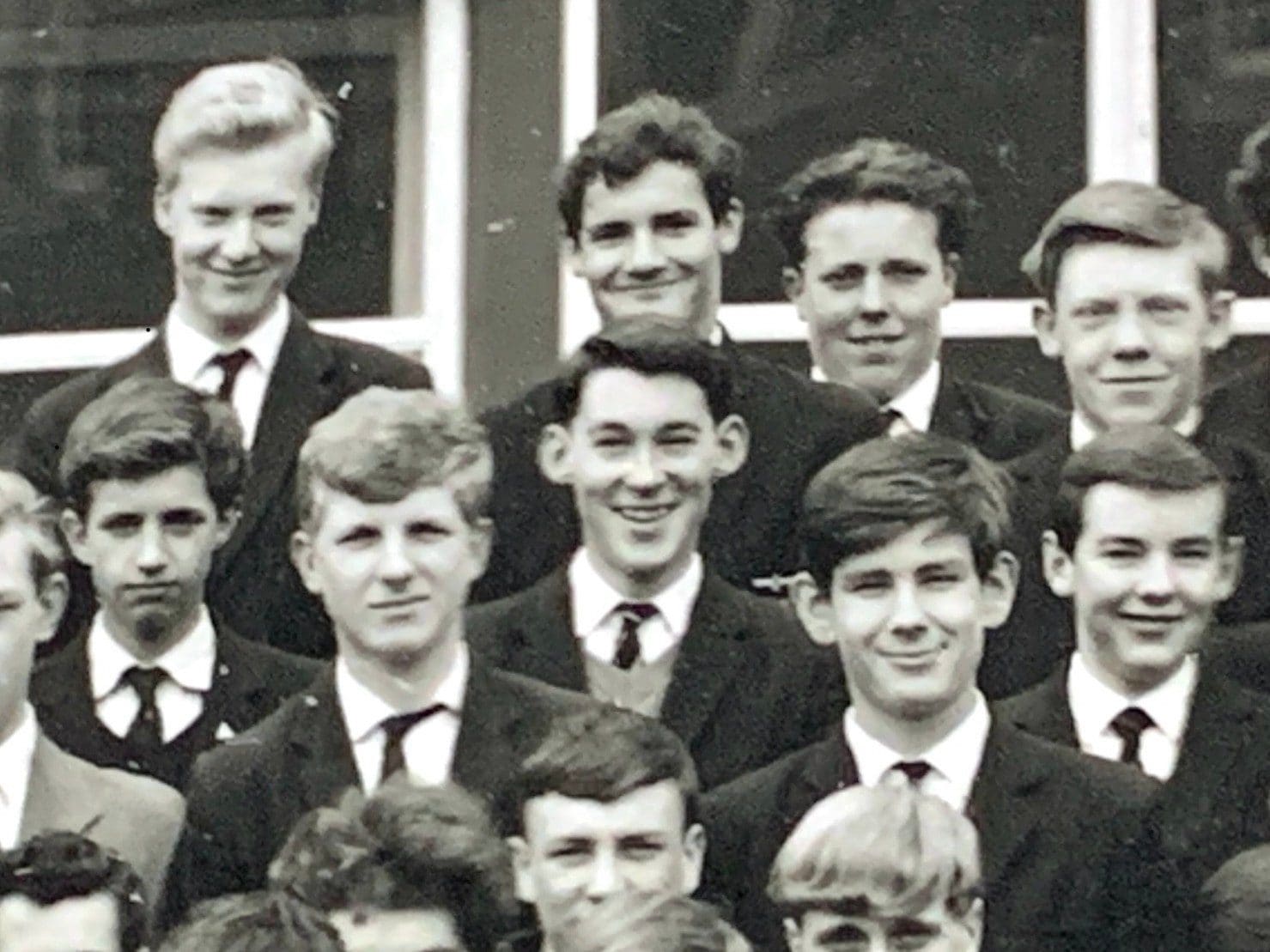
Power had not long finished school when England delivered the summer of a lifetime
“I think probably the last time I saw them was when I might’ve gone to Dave’s wedding in 1970. But that’s a long while, even if it was 1970.”
He has not seen either for 56 years. Yet 60 years on, Power’s remarkable scrapbook remains intact, as do his memories of England’s greatest summer.
Source: "AOL Sports"
Source: Sports
Published: July 30, 2026 at 09:27AM on Source: RED MAG
#ShowBiz#Sports#Celebrities#Lifestyle